Dental Implants in Mareeba
A Long-Term Option for Missing Teeth
For patients looking to address one or more missing teeth, dental implants are among the most thorough solutions available in modern dentistry. Unlike a bridge, an implant does not rely on the surrounding teeth for support — instead, a titanium post is placed directly into the jawbone, where it integrates with the bone over time to act as a stable artificial root. At Mareeba Dental Centre, patients considering implants are assessed thoroughly before any treatment is recommended, with the full process managed from placement through to the final restoration.
Factors including bone density, gum health and overall medical history all form part of that evaluation, as implants are not suitable for every patient. To find out whether dental implants may be an option for you, call our team on (07) 4092 4277.
Send Us a Message
Thank you for contacting Mareeba Dental Centre.
We will get back to you as soon as possible.
Oops, there was an error sending your message.
Please try again later.
Frequently Asked Questions
Do I need a bone graft before getting a dental implant?
Not all patients require a bone graft prior to implant placement, but it is a necessary step for some. If the jawbone has lost density following tooth loss — which can happen over time when a tooth is no longer stimulating the bone — there may not be sufficient volume to support the implant post. A bone graft procedure builds up the area before implant placement can proceed, which adds to the overall treatment timeline. Whether a graft is needed is determined during the initial assessment through examination and imaging of the jaw.
Can smoking affect the success of a dental implant?
Smoking is considered one of the more significant risk factors associated with dental implant complications. It can interfere with the body's healing response following surgery and reduce blood flow to the gum tissue, which can affect how well the implant integrates with the jawbone. Studies suggest that smokers have a higher rate of implant failure compared to non-smokers, and patients who smoke are typically advised of this risk during the assessment process. Quitting or reducing smoking before and after the procedure is generally recommended to give the implant the best chance of integrating successfully.
How do I care for a dental implant long term?
Caring for a dental implant day to day is similar to caring for natural teeth. Regular brushing and flossing around the implant site helps prevent the build-up of bacteria that can lead to infection in the surrounding tissue. Interdental brushes can be particularly useful for cleaning around the base of the implant crown where a standard toothbrush may not reach effectively. Routine dental visits are important for monitoring the health of the implant and the surrounding bone and tissue over time. Any changes in comfort, fit or the appearance of the surrounding gum are worth raising with your dentist promptly.
Candidacy & What to Consider
Not every patient who presents with a missing tooth will be an immediate candidate for implant treatment. Sufficient bone density in the jaw is one of the key requirements, as the implant post needs adequate bone to integrate successfully. Patients with a history of gum disease will need to have that condition managed and stable before implant placement is considered. Certain medical conditions and medications can also affect healing and integration, which is why we take a detailed medical history as part of our assessment process.
For patients who are suitable, we take the time to explain each stage of the process clearly, including what to expect during the healing period between post placement and final restoration. Implants require the same standard of care as natural teeth, including regular brushing, flossing and routine dental visits to monitor the health of the surrounding tissue.
- Bone density and gum health assessed prior to treatment
- Medical history reviewed as part of suitability assessment
- Ongoing care consistent with natural tooth maintenance
Dental implants are a significant treatment decision and one we approach with care and thoroughness. Speak with our team to find out whether implants are an appropriate option for your situation.
What Is a Dental Implant?
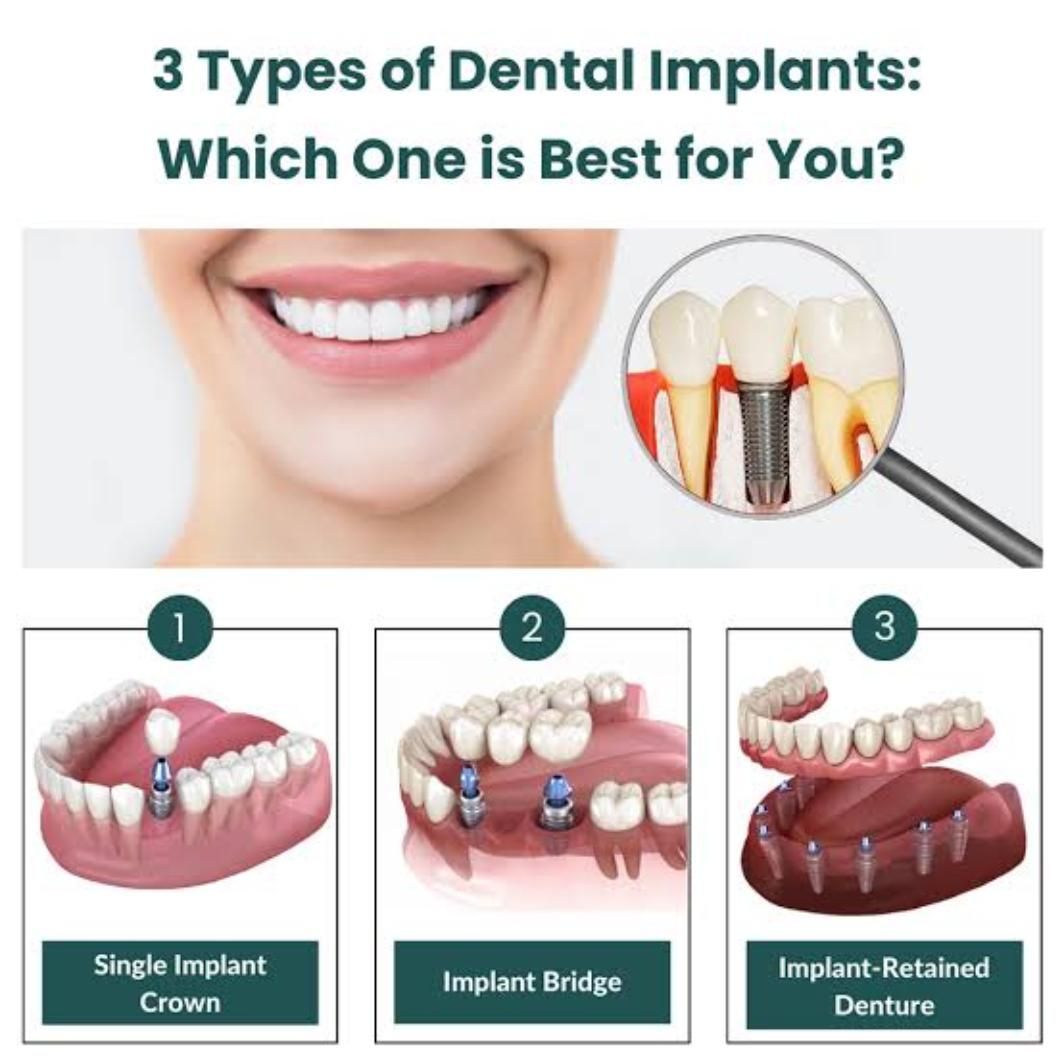
A dental implant is a small, screw-shaped titanium post that is placed into the jawbone to replace the root of a missing tooth, acting as a stable foundation for a restoration such as a crown, bridge or denture. We use Neoss implants, a system designed to adapt to multiple treatment options and suit a range of patient types. When a tooth is lost, the jawbone in that area can begin to deteriorate over time — an implant helps address this by maintaining the integrity of the bone and the natural contours of the jaw.

How the Implant Process Works
Once suitability has been confirmed, implant treatment is carried out across several clearly defined stages:
- Diagnosis and treatment planning — A consultation covering your individual case, medical history and X-rays or scans to determine the most appropriate treatment plan.
- Implant surgery — The titanium post is placed into the jawbone under local anaesthetic, which in most cases is a minor procedure.
- Healing — A healing period follows to allow the implant to integrate with the bone, which can take anywhere from a few weeks to several months depending on the individual. During this time, a temporary tooth, denture or bridge can be placed to maintain function and appearance.
- Final restoration — Once integration is confirmed, the final abutment and restoration are connected to complete the process.
Implant Options for Missing Teeth
For patients missing multiple or all of their teeth, implants can support different types of restorations depending on clinical suitability:
- Fixed options — Implant-supported bridges or hybrid dentures are secured in place and do not require removal, offering a stable and long-term restorative pathway for suitable patients.
- Removable options — Implant-retained overdentures are anchored to implants for greater stability than conventional dentures, while still allowing the patient to remove them for cleaning.
Unlike a conventional bridge, implant treatment does not require modification of the neighbouring teeth. We discuss all available options during the planning stage to identify the most appropriate pathway for each patient's situation.