Emergency Dental in Mareeba
Prompt Assessment When It Matters
Emergency dental situations can develop quickly and often involve pain, swelling or damage that requires timely attention. At Mareeba Dental Centre, patients can access emergency dental care for issues such as persistent toothaches, broken or displaced teeth, infections or trauma affecting the mouth.
Our focus is on identifying the cause of the problem and stabilising the situation in a safe and appropriate way. Some conditions may worsen if left untreated, particularly where infection or structural damage is involved. Early assessment allows our dentists to determine the severity of the issue and outline suitable next steps based on clinical findings and patient symptoms.
If you need emergency dental care, call our dental clinic on (07) 4092 4277 for assistance.
Send Us a Message
Thank you for contacting Mareeba Dental Centre.
We will get back to you as soon as possible.
Oops, there was an error sending your message.
Please try again later.
Frequently Asked Questions
What is considered an emergency dental problem?
An emergency dental problem is generally one that involves significant discomfort, visible damage or symptoms that are worsening rather than improving. This may include severe tooth pain, swelling in the gums or face, uncontrolled bleeding, trauma to the teeth or signs of infection such as an abscess. Some issues may not feel urgent at first but can develop into more serious concerns if left untreated. A dental professional can assess the situation, determine the level of urgency and advise whether immediate care or a scheduled appointment is more appropriate.
What should I do if I have a severe toothache?
A severe toothache can be a sign of underlying issues such as decay, infection or damage to the tooth structure. It is generally recommended to seek dental care as soon as possible rather than waiting for the pain to resolve. In the meantime, keeping the area clean and avoiding foods that trigger discomfort may help manage symptoms temporarily. Pain relief medication may reduce discomfort but does not treat the cause. A clinical assessment is needed to identify the source of the pain and determine what type of treatment may be required.
What should I do if a tooth is knocked out or broken?
If a tooth is knocked out or significantly damaged, seeking dental care as soon as possible is important. In some situations, early intervention may improve the chances of managing the injury more effectively. A knocked-out tooth should be handled carefully, avoiding touching the root where possible, and kept in a suitable environment until assessed. Even when a tooth cannot be saved, prompt treatment may help reduce pain and protect surrounding structures. The outcome depends on the type of injury, timing and the condition of the tooth and supporting tissues.
Understanding Urgent Dental Situations
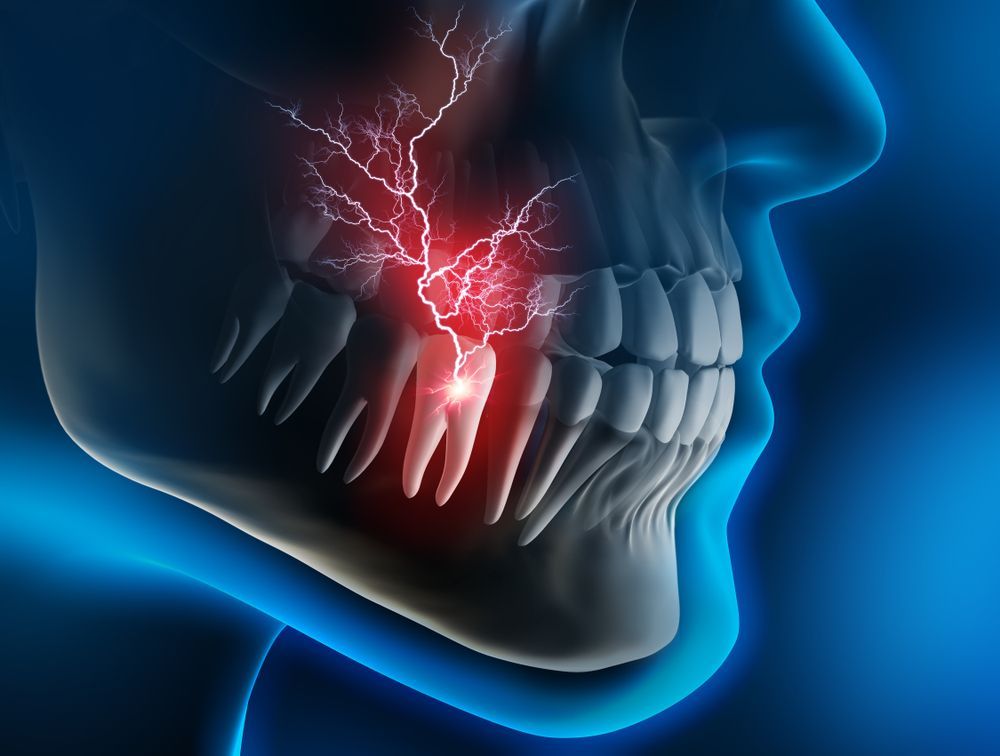
Not every dental concern requires immediate treatment, but some symptoms suggest that prompt care may be needed to prevent further complications.
Emergency dental care is typically focused on relieving discomfort, managing infection risk and protecting the structure of the teeth and surrounding tissues while planning any follow-up care that may be required.
- Ongoing or severe tooth pain
- Swelling affecting gums or face
- Broken, cracked or displaced teeth
- Signs of infection or abscess
- Trauma involving teeth or jaw
Knowing when to seek care can make a difference in how dental problems are managed and resolved. If you are unsure about your symptoms, we’re here to assess urgent dental concerns and help you access prompt care.